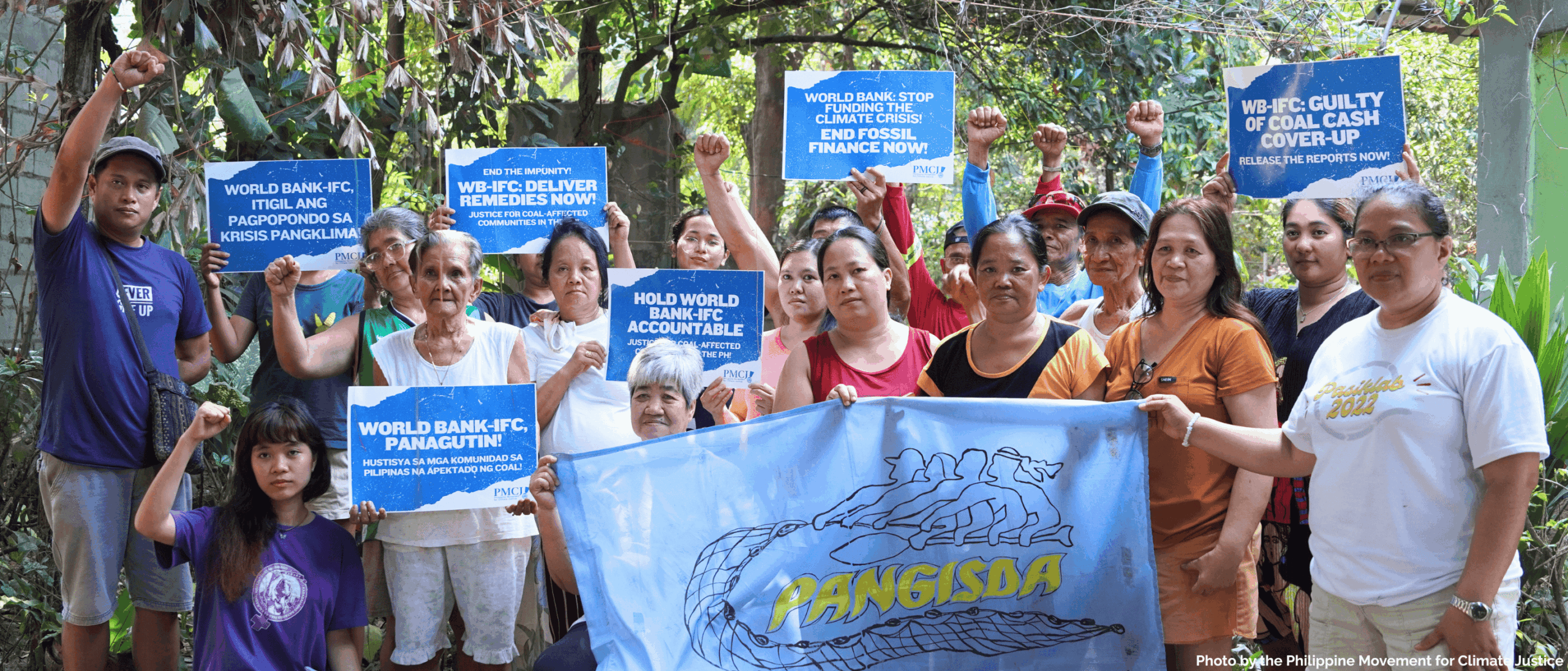
Principles and recommendations to guide the IFC/MIGA Sustainability Framework review

Civil society organisations have set out key principles and recommendations for the IFC/MIGA Sustainability Framework review

The IFC/MIGA Sustainability Framework includes the environmental and social safeguards designed to prevent development projects financed by these institutions from causing harm to people and the environment.

The Framework is currently up for review, with disclosure of the first draft expected in November–December 2026 alongside the launch public consultations.

In September, 116 civil society organisations – including the 19 publishers of these briefings – wrote to the World Bank Group Board outlining four core principles that should guide the review.

The four principles are:

  1. Alignment with best available practice and human rights norms
  2. Non-regression from existing policies
  3. Improved implementation
  4. Meaningful consultation of affected communities and dedicated, rights-based engagement with Indigenous Peoples

The first briefing explains the four core principles in more detail, with reference to other international standards used by peer institutions and the private sector.

The second briefing provides detailed recommendations on priority issues that must be addressed in the revised Sustainability Framework, including recommendations on existing and new Performance Standards, the Access to Information Policy, and cross-cutting issues such as gender.

These briefings are co-published by Recourse with AIPNEE, Arab Watch Coalition, Bank Climate Advocates, Bank Information Center, Bretton Woods Project, Centre for Financial Accountability, Friends of the Earth US, Inclusive Development International, Industrious Labs,  Indigenous Peoples Rights International, OECD Watch, Oxfam, SIRGE, Tallgrass Institute, International Trade Union Confederation, Stop Financing Factory Farming (S3F), and Urgewald.

Four principles to guide the Sustainability Framework review

It has been almost 15 years since the IFC/MIGA Sustainability Framework was last updated. While the 2012 Framework represented an important step forward at the time, developments in human rights norms and environmental and social approaches mean that the IFC/MIGA safeguards are no longer the leading standards they once were.

Civil society is calling on the World Bank Group Board to ensure that the revised Sustainability Framework:

  • aligns with best available practice and human rights norms
  • does not weaken existing environmental and social safeguards (non-regression)
  • addresses persistent gaps in implementation
  • ensures meaningful consultation with project-affected communities and dedicated, rights-based engagement with Indigenous Peoples.

Civil society recommendations for the IFC/MIGA Sustainability Framework

Civil society also provides detailed recommendations covering environmental and social risk assessment, labour and working conditions, climate and pollution, community health and safety, land acquisition and resettlement, biodiversity, Indigenous Peoples, financial intermediaries, stakeholder and rightsholder engagement, gender and access to information.

Read the briefing Four principles to guide the IFC Sustainability Framework review

Read the Civil society recommendations for the IFC/MIGA Sustainability Framework
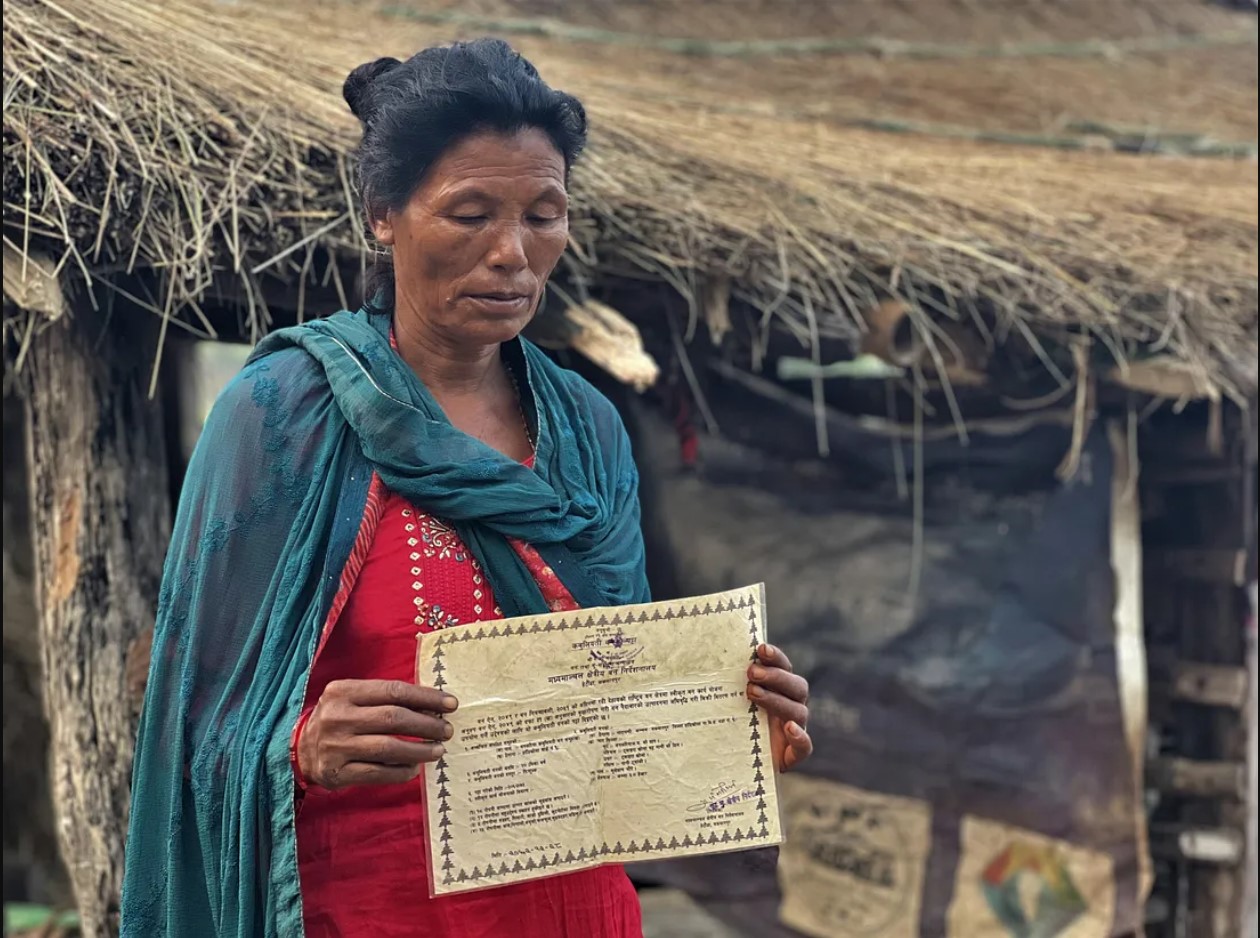
Displaced and Landless: Endangered Indigenous Bankariya living in the buffer zone of Parsa National Park in Nepal

This summary report aims to analyze the human rights challenges of Nepal’s endangered Indigenous Bankariya people, particularly to their lands and forest resources, due to Parsa National Park in the south of the country. Traditionally a nomadic group living in forests, Bankariyas were provided six hectares of leasehold forests, where they currently live in informal settlements. The leasehold forests were later incorporated in the buffer zone of the Parsa National Park. Almost two decades later, Bankariyas now face the same challenge as around 6 million people of 34 districts living in buffer zones of various protected areas of Nepal. They do not have titles to the lands that they have been living on, using or occupying for generations. As a result, they face threats of forced evictions and displacement from their current settlement upon expiry of their lease and in lack of land titles.

more “Displaced and Landless: Endangered Indigenous Bankariya living in the buffer zone of Parsa National Park in Nepal” …

Case Study: Tourism and Indigenous Peoples’ Rights in Nepal

Tourism industry plays and can further play a significant role for Nepal’s economy and prosperity, including in terms of environmental conservation. However, the industry has often entrenched marginalization of Indigenous Peoples in the country and resulted in violations of their rights, including in the context of establishment of protected areas, tourism establishments and businesses as well as representation of Indigenous image.

On many occasions, Indigenous Peoples have suffered loss of traditional lands and other violations of their rights in favor of tourism projects, which directly affects their lives and livelihoods. Particularly relevant is the establishment of protected areas, which have been mostly created by displacing Indigenous communities from their lands and resources. Concerningly, Indigenous communities have even been subjected to wide range of abuses, including killings, torture, arbitrary detentions, mistreatment, harassment as well as sexual violence against women at the hands of army, forest rangers and others in the context protected areas set up for environmental conservation and tourism.

Tourism establishments and business have also encroached upon lands and sacred sites of Indigenous communities in various parts of Nepal. Indigenous defenders and activists have faced retaliations and reprisals for raising their voices against violations of their rights and those of their communities in the context of such tourism undertakings, including at the hands of businesses.

more “Case Study: Tourism and Indigenous Peoples’ Rights in Nepal” …

Nepal’s Supreme Court directs the government to make legal, policy and implementation arrangements in line with Paris Agreement on climate change

Nepal’s Supreme Court has issued a directive order to the Government to make legal, policy and implementation arrangements in line with the 2015 Paris Agreement on climate change (also referred to as the Paris Climate Accords).

In its decision made dated 27 April on the public interest litigation filed by CEMSOJ, the Supreme Court ruled issued a directive order in the name of the Government to make necessary legal, policy and implementation arrangements in compliance with the commitments of international treaties and conventions, including the Paris Agreement, to conserve the environment, to sell, trade or consume forest products, including carbon, to arrange a fair distribution system of benefits.

more “Nepal’s Supreme Court directs the government to make legal, policy and implementation arrangements in line with Paris Agreement on climate change” …

सर्वोच्च अदालतद्वारा जलवायु परिवर्तन सम्बन्धि पेरिस सम्झौता लगायतका प्रतिबद्धता अनुकूल हुने गरी आवश्यक कानूनी, नीतिगत तथा कार्यान्वयन व्यवस्था मिलाउन सरकारलाई निर्देशनात्मक आदेश

१ सेप्टेम्बर २०२३, काठमाडौँ 

नेपालको सर्वोच्च अदालतले जलवायु परिवर्तन सम्बन्धि पेरिस सम्झौता लगायतका अन्तर्राष्ट्रिय सन्धि सम्झौताका प्रतिबद्धता अनुकूल हुने गरी आवश्यक कानूनी, नीतिगत तथा कार्यान्वयन व्यवस्था मिलाउन सरकारलाई निर्देशनात्मक आदेश जारी हुने ठहर गरेको छ । सामुदायिक सशक्तिकरण तथा सामाजिक न्याय फाउन्डेशन (सेम्सोज)द्वारा दर्ता गरिएको सार्वजनिक सरोकारको रिटमाथि यही बैशाख १४ गते (सन् २०२३ अप्रिल २७) फैसला गर्दै पर्यावरण संरक्षण गर्न, कार्वन लगायत वन पैदावारको माध्यमबाट उत्पादन हुने बस्तु/पदार्थको बिक्री व्यापार, कारोवार गर्न वा उपभोगमा ल्याउन, लाभको न्यायोचि वितरण व्यवस्था मिलाउन तत् सम्बन्धमा जलवायु परिवर्तन सम्बन्धि पेरिस सम्झौता लगायतका अन्तर्राष्ट्रिय सन्धि सम्झौताका प्रतिबद्धता अनुकूल हुने गरी आवश्यक कानूनी, नीतिगत तथा कार्यान्वयन व्यवस्था मिलाउन सरकारको नाउँमा निर्देशनात्मक आदेश जारी हुने ठहर गरेको हो ।

more “सर्वोच्च अदालतद्वारा जलवायु परिवर्तन सम्बन्धि पेरिस सम्झौता लगायतका प्रतिबद्धता अनुकूल हुने गरी आवश्यक कानूनी, नीतिगत तथा कार्यान्वयन व्यवस्था मिलाउन सरकारलाई निर्देशनात्मक आदेश” …

AIPNEE and CEMSOJ’s joint submission on Development Finance Institutions and Human Rights to the UN

Below is the joint submission made by Asia Indigenous Peoples Network on Extractive Industries and Energy (AIPNEE) and Community Empowerment and Social Justice Network (CEMSOJ) to the UN Working Group on Business and Human Rights for their forthcoming report on “Development Finance Institutions (DFIs) and Human Rights”. The submission particularly focuses on the rights of indigenous peoples based on the experiences of AIPNEE and CEMSOJ of working with indigenous and other local communities that have faced or are facing human rights impacts due to energy and trade facilitation projects financed by various DFIs.

Click here for the PDF of the submission.

more “AIPNEE and CEMSOJ’s joint submission on Development Finance Institutions and Human Rights to the UN” …

चोभारस्थित सुक्खा बन्दरगाह प्रभावित समुदायद्वारा परियोजना बिरूद्ध विश्व बैंकमा उजुरी

चोभारस्थित सुक्खा बन्दरगाह प्रभावित समुदायद्वारा परियोजना बिरूद्ध विश्व बैंकमा उजुरी 

तत्काल बजेट वितरण रोकी सुक्खा बन्दरगाहको लागि वैकल्पिक योजना तयार गर्न आह्वान 

[सार्वजनिक विज्ञप्ति] १३ बैशाख २०७७, काठमाडौं

काठमाडौंको चोभारमा निर्माणाधीन सुख्खा बन्दरगाहबाट प्रभावित समुदायका प्रतिनिधिहरूले आज त्यस परियोजनाको वित्तीय दाता विश्व बैंकको स्वतन्त्र उजूरी संयन्त्र इन्सपेक्सन प्यानलमा उजुरी गरे। मुख्य गरी आदिवासी नेवार रहेको प्रभावित समुदायको स्वतन्त्र, पूर्व र सुचित सहमति कायम गर्न परियोजना असफल भएको आरोप लगाउँदै उनीहरुले बैंकलाई तुरुन्तै सुख्खा बन्दरगाहको बजेट निकासा र सबै निर्माण गतिविधि रोक्न तथा वैकल्पिक योजना अपनाउन आव्हान गरेका छन्। more “चोभारस्थित सुक्खा बन्दरगाह प्रभावित समुदायद्वारा परियोजना बिरूद्ध विश्व बैंकमा उजुरी” …

Chobhar dry port affected communities file complaint with the World Bank against the construction of the project

Chobhar dry port affected communities file complaint with the World Bank against the construction of the project

Complainants call for immediate halt to budget disbursement and alternative plan for the dry port

[Public Release] 25 April 2020, Kathmandu

Representatives of communities affected by the dry port under construction at Chobhar in south of Kathmandu today filed a complaint with the Inspection Panel – the independent complaint mechanism of the World Bank that is financing the project. They allege failure to uphold free, prior and informed consent of the affected communities – predominatly indigenous Newar – for the project, among other violations, and thus have called on the Bank to immediately stop disbursement of budget as well as all construction activity and adopt an alternative plan for the dry port. more “Chobhar dry port affected communities file complaint with the World Bank against the construction of the project” …