The European Investment Bank (EIB) co-financed Tanahu hydropower project in Nepal has impacted Indigenous Magar and other communities against the Bank’s environmental and social standards. Communities impacted by the project’s inundation have filed complaints with the EIB Group Complaints Mechanism (EIB-CM) – without success.
more “Justice delayed in Nepal: The EIB Group Complaints Mechanism and the Tanahu hydropower project”Principles and recommendations to guide the IFC/MIGA Sustainability Framework review
Civil society organisations have set out key principles and recommendations for the IFC/MIGA Sustainability Framework review
The IFC/MIGA Sustainability Framework includes the environmental and social safeguards designed to prevent development projects financed by these institutions from causing harm to people and the environment.
The Framework is currently up for review, with disclosure of the first draft expected in November–December 2026 alongside the launch public consultations.
In September, 116 civil society organisations – including the 19 publishers of these briefings – wrote to the World Bank Group Board outlining four core principles that should guide the review.
The four principles are:
- Alignment with best available practice and human rights norms
- Non-regression from existing policies
- Improved implementation
- Meaningful consultation of affected communities and dedicated, rights-based engagement with Indigenous Peoples
The first briefing explains the four core principles in more detail, with reference to other international standards used by peer institutions and the private sector.
The second briefing provides detailed recommendations on priority issues that must be addressed in the revised Sustainability Framework, including recommendations on existing and new Performance Standards, the Access to Information Policy, and cross-cutting issues such as gender.
These briefings are co-published by Recourse with AIPNEE, Arab Watch Coalition, Bank Climate Advocates, Bank Information Center, Bretton Woods Project, Centre for Financial Accountability, Friends of the Earth US, Inclusive Development International, Industrious Labs, Indigenous Peoples Rights International, OECD Watch, Oxfam, SIRGE, Tallgrass Institute, International Trade Union Confederation, Stop Financing Factory Farming (S3F), and Urgewald.
Four principles to guide the Sustainability Framework review
It has been almost 15 years since the IFC/MIGA Sustainability Framework was last updated. While the 2012 Framework represented an important step forward at the time, developments in human rights norms and environmental and social approaches mean that the IFC/MIGA safeguards are no longer the leading standards they once were.
Civil society is calling on the World Bank Group Board to ensure that the revised Sustainability Framework:
- aligns with best available practice and human rights norms
- does not weaken existing environmental and social safeguards (non-regression)
- addresses persistent gaps in implementation
- ensures meaningful consultation with project-affected communities and dedicated, rights-based engagement with Indigenous Peoples.
Civil society recommendations for the IFC/MIGA Sustainability Framework
Civil society also provides detailed recommendations covering environmental and social risk assessment, labour and working conditions, climate and pollution, community health and safety, land acquisition and resettlement, biodiversity, Indigenous Peoples, financial intermediaries, stakeholder and rightsholder engagement, gender and access to information.
Read the briefing Four principles to guide the IFC Sustainability Framework review
Read the Civil society recommendations for the IFC/MIGA Sustainability Framework
फास्ट ट्र्याक लगायतका आयोजनाबाट अधिकार उल्लङ्घन भएको भन्दै खोकना र बुङमतीका आदिवासी नेवा: समुदायद्वारा संयुक्त राष्ट्रसंघका विज्ञहरुसँग थप पहलको आग्रह
२९ सेप्टेम्बर २०२६, काठमाडौं
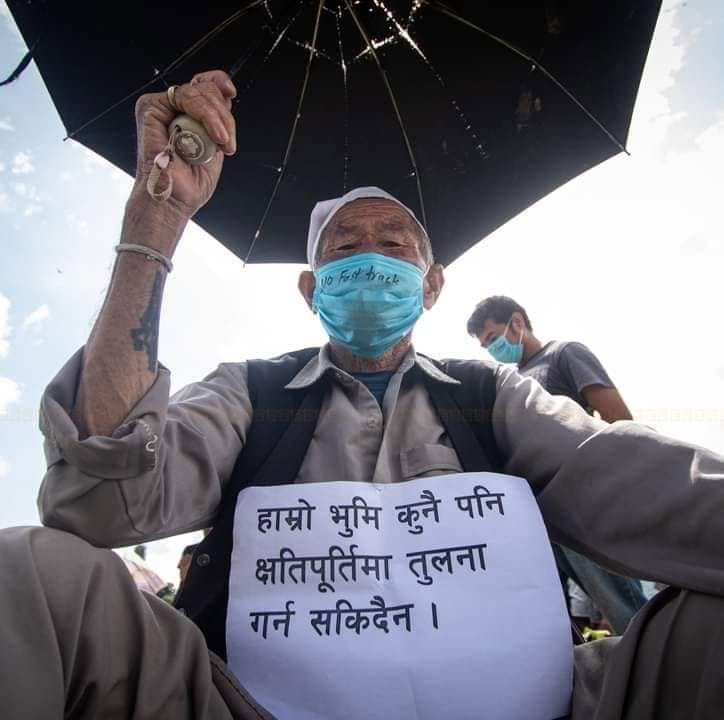
ललितपुरको खोकना र बुङमतीका आदिवासी नेवा: समुदायले आफ्नो पुर्ख्यौली भूमि, सांस्कृतिक सम्पदा र जीविकोपार्जनमा असर पार्ने काठमाडौं–तराई/मधेश द्रुतमार्ग (फास्ट ट्र्याक) तथा अन्य पूर्वाधार आयोजनाको सन्दर्भमा आफ्नो अधिकार संरक्षणको लागि संयुक्त राष्ट्रसंघका विज्ञहरूलाई थप पहल गर्न आग्रह गरेका छन्।
खोकना र बुङमतीका जनसरोकार समितिले आदिवासी जनजातिको अधिकारसम्बन्धी संयुक्त राष्ट्रसंघका विशेष समाधिक्षक तथा अन्य सम्बन्धित विज्ञहरूलाई आज पठाएको ताकेता पत्रमा फास्ट ट्र्याकसँग सम्बन्धित पछिल्ला घटनाबारे जानकारी दिँदै नेपाल सरकार र आयोजनामा संलग्न अन्य पक्षसँग थप पहल गर्न आग्रह गरेका हुन्। विशेषगरी, खोकना, बुङमती तथा आसपासका क्षेत्रमा फास्ट ट्र्याकका लागि जग्गा अधिग्रहणसम्बन्धी सूचना १८ जुन २०२६ मा पुनः प्रकाशित गरिएको विषयमा समुदायले चिन्ता व्यक्त गरेका छन्। समुदायका अनुसार यसले सरकार फेरि विवादित पुरानै मार्गबाट आयोजना अघि बढाउन लागेको देखिन्छ।
more “फास्ट ट्र्याक लगायतका आयोजनाबाट अधिकार उल्लङ्घन भएको भन्दै खोकना र बुङमतीका आदिवासी नेवा: समुदायद्वारा संयुक्त राष्ट्रसंघका विज्ञहरुसँग थप पहलको आग्रह”Indigenous Newa communities in Khokana and Bungamati call for renewed action from UN experts over Fast Track Expressway and other projects affecting their rights
29 September 2026, Kathmandu
Indigenous Newa communities of Khokana and Bungamati in Lalitpur have called on United Nations Special Procedures to take renewed follow-up action to protect their rights amid continuing concerns over the Kathmandu–Terai/Madhesh Fast Track (Expressway) and other infrastructure projects affecting their ancestral lands, cultural heritage and livelihoods.
In follow-up information submitted today to the UN Special Rapporteur on the rights of Indigenous Peoples and other relevant UN Special Procedures, Janasarokar Samiti (Public Concerns Committees) of Khokana and of Bungamati representing the Fast Track and other project affected families have raised concerns over recent developments related to the Fast Track project. They have called on the UN experts to continue engaging with the Government of Nepal and other entities involved in the project. They have particularly expressed concern over the republication of a land acquisition notice for the Fast Track in Khokana, Bungamati and adjoining areas on 18 June 2026, which they say shows that the Government is again moving ahead with the disputed original alignment.
The Committees have welcomed the continued attention of the UN Special Procedures to their concerns. In June 2024, the Special Procedures had sent their latest Allegation Letter to the Government of Nepal, as well as domestic and international businesses involved in the Expressway, their home States and the Asian Development Bank, following an earlier communication issued in March 2021. According to the Committees, the concerns raised in those communications however remain unresolved, and the Government of Nepal has not, to their knowledge, provided a response to the latest communication.
more “Indigenous Newa communities in Khokana and Bungamati call for renewed action from UN experts over Fast Track Expressway and other projects affecting their rights”Statement of Solidarity of the Community Empowerment and Social Justice Network (CEMSOJ) for the 42nd People’s Cordillera Day
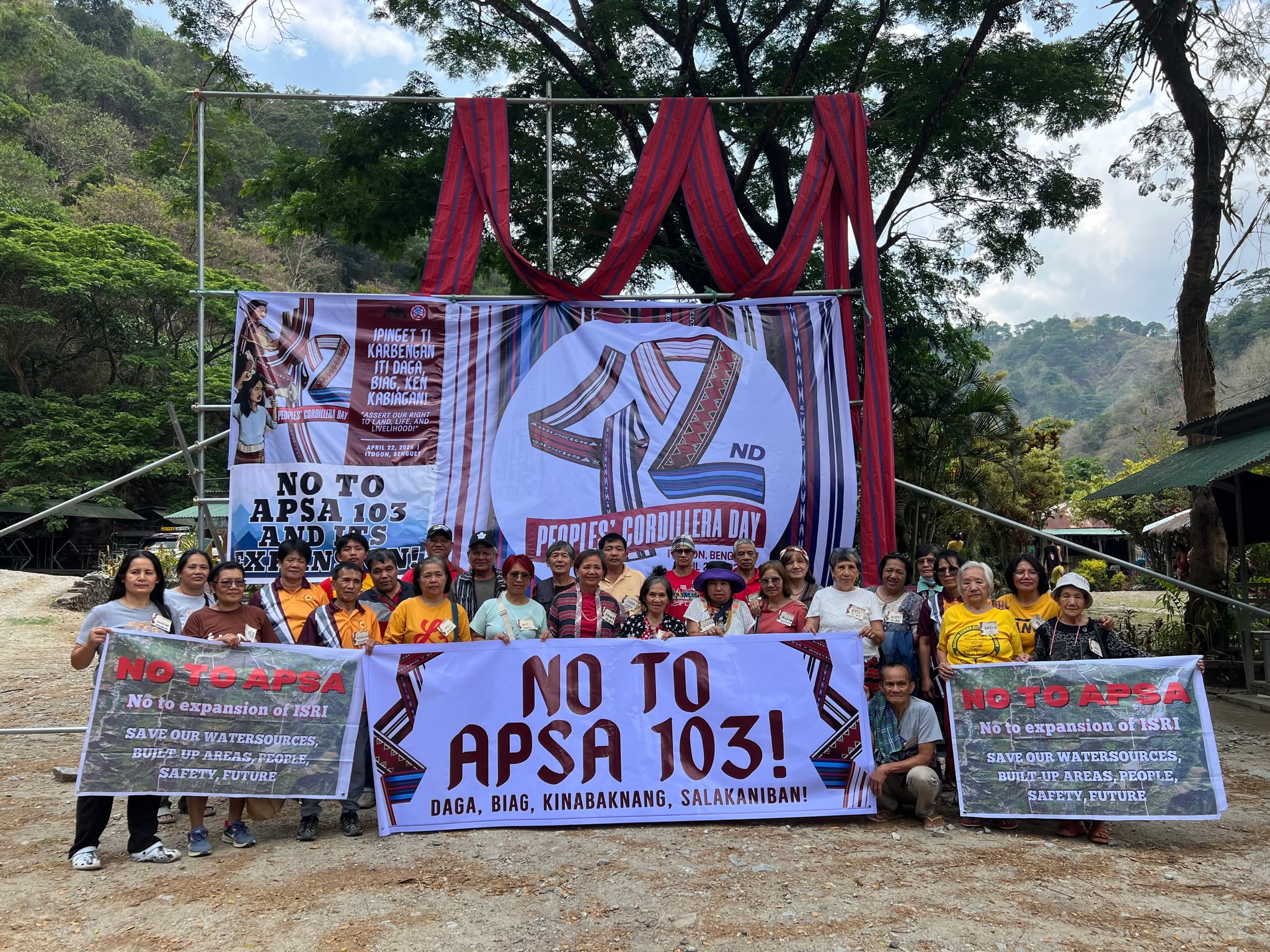
The Community Empowerment and Social Justice Network (CEMSOJ) of Nepal extend its warmest greetings of solidarity to the Indigenous Peoples of the Cordillera and the Cordillera Peoples Alliance (CPA) as you commemorate the 42nd Annual Peoples’ Cordillera Day.
more “Statement of Solidarity of the Community Empowerment and Social Justice Network (CEMSOJ) for the 42nd People’s Cordillera Day”Solar Irrigation Pump distribution in Gulariya and Madhuwan, Bardiya (CbREP Phase 4)
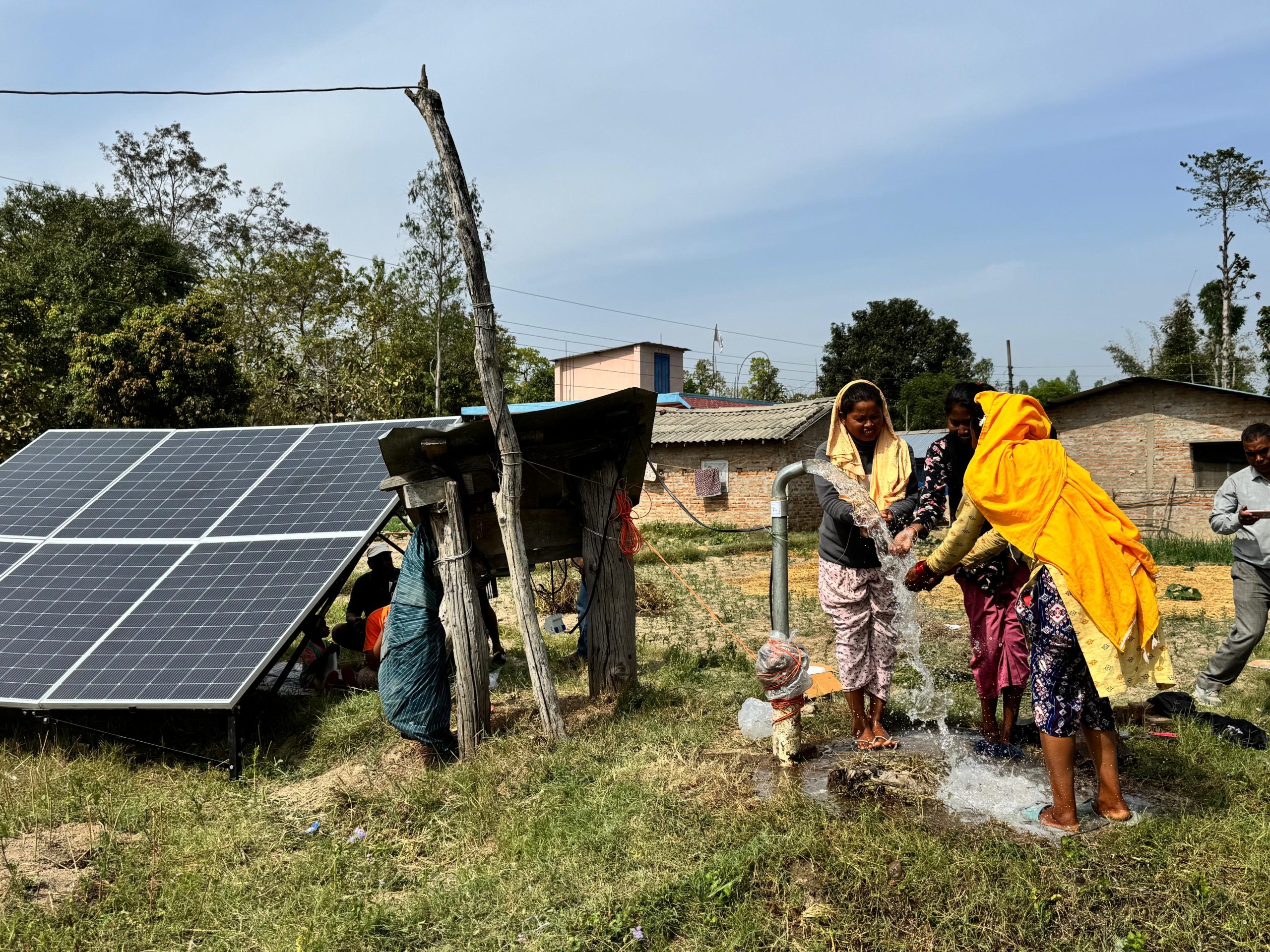
From March 15–17, under Community-based Renewable Energy Project (CbREP) initiative Phase 4, CEMSOJ handed over solar irrigation pumps to and conducted orientation on the use thereof for Tharu women farmers’ groups in Bardiya district, south-western Nepal advancing both renewable energy adoption and women’s economic empowerment.
more “Solar Irrigation Pump distribution in Gulariya and Madhuwan, Bardiya (CbREP Phase 4)”Recommendations to the draft rules of KfW Development Bank’s Complaint Mechanism
On 6 February 2026, CEMSOJ, Defenders in Development campaign and others submitted their recommendations to the draft rules of procedure for KfW Development Bank’s Complaint Mechanism, based on the concerns that emerged in the analysis “KfW: Irresponsible Banking” (September 2025). The submission highlights serious concerns about the lack of independence, effectiveness, and accessibility of KfW Development Bank’s proposed Complaint Mechanism.
more “Recommendations to the draft rules of KfW Development Bank’s Complaint Mechanism”Indigenous Newa and other communities file complaint with the Asian Development Bank over its financing for projects related to Bagmati and other river corridors
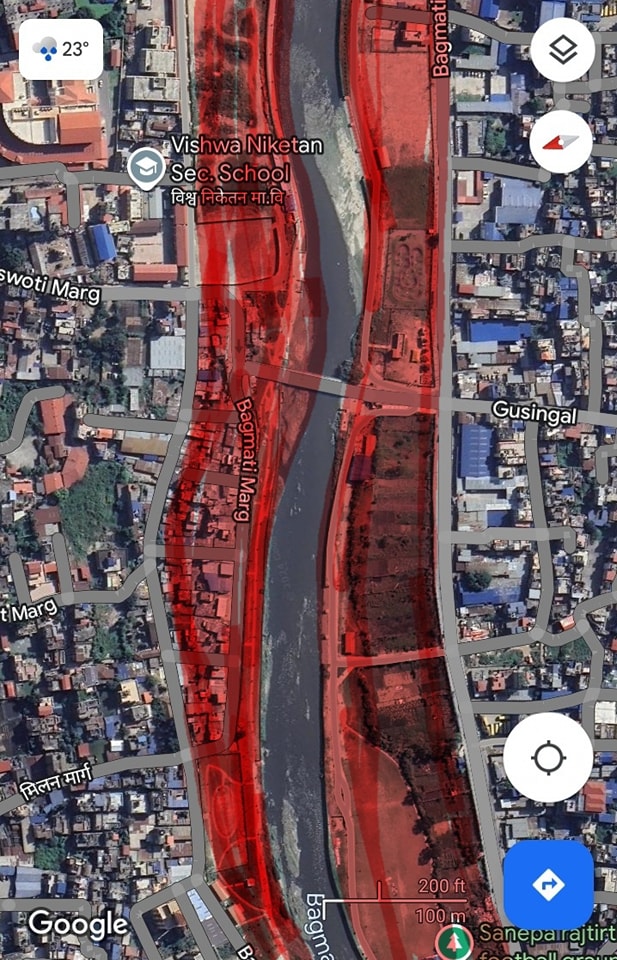
Indigenous Newa and other locals affected by Bagmati and other river corridors across Kathmandu valley have filed a complaint to the Asian Development Bank (ADB) regarding violations of its safeguards in the Bagmati River Basin Improvement Project and other associated projects it finances related to the river corridors.
In a letter submitted to the ADB’s Nepal resident mission on Thursday, representatives of the committees of those affected by the no-construction and buffer zones imposed along the banks of the Bagmati river and its tributaries have called on the ADB for immediate actions to resolve their grievances in relation to the impacts faced by and concerns of the communities along the river corridors, including the following:
more “Indigenous Newa and other communities file complaint with the Asian Development Bank over its financing for projects related to Bagmati and other river corridors”तामाकोशी-काठमाडौं प्रसारण लाइनबाट प्रभावित आदिवासी तामाङ तथा स्थानीय समुदायद्वारा एडीबीको अनुपालन समीक्षा प्यानलमा उजुरी
काठमाडौंको उत्तरपूर्वमा अवस्थित शङ्खरापुर नगरपालिकाको बोझेनीका आदिवासी तामाङ र स्थानीय समुदायले आज एसियाली विकास बैंक (एडीबी) को जवाफदेहिता संयन्त्रको अनुपालन समीक्षा प्यानल (सीआरपी) मा उजुरी दर्ता गरेका छन्। उजुरीमा उनीहरूले बोझेनीमा निर्माणाधीन तामाकोशी-काठमाडौं २२०/४०० केभी प्रसारण लाइन र यसको सवस्टेसन स्थानान्तरण हुनुपर्ने उनीहरुको मागको सम्बन्धमा एडीबीको सुरक्षण नीति र कार्यविधि पालना भएको सुनिश्चित गर्न सीआरपीलाई अनुरोध गरेका छन्।
more “तामाकोशी-काठमाडौं प्रसारण लाइनबाट प्रभावित आदिवासी तामाङ तथा स्थानीय समुदायद्वारा एडीबीको अनुपालन समीक्षा प्यानलमा उजुरी”Indigenous Tamang and local communities affected by Tamakoshi-Kathmandu Transmission Line file complaint to ADB’s Compliance Review Panel
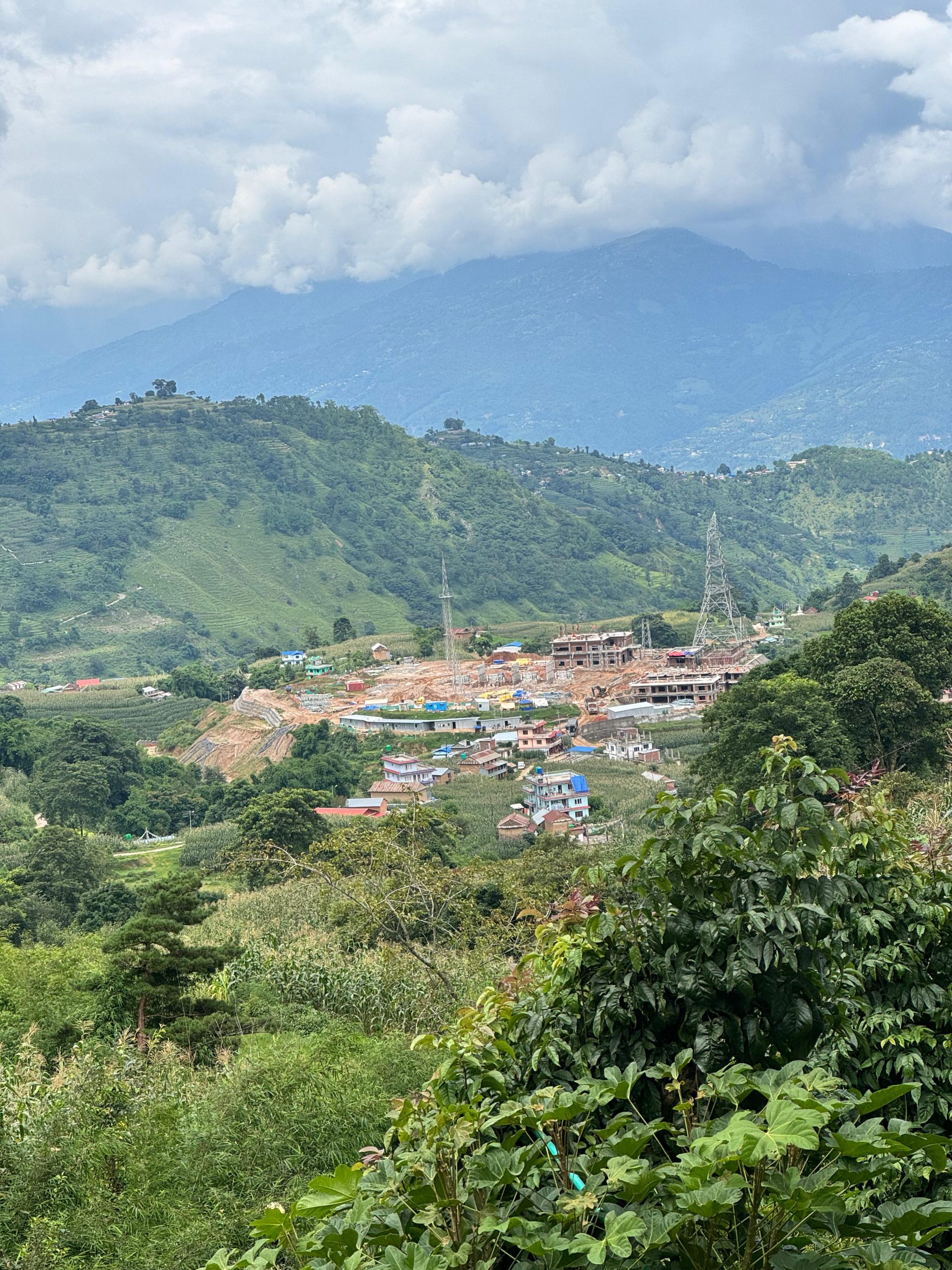
Indigenous Tamang and local communities of Bojheni in Shankharapur municipality in the northeast of Kathmandu filed a complaint today with the Compliance Review Panel (CRP) of the Asian Development Bank’s (ADB) Accountability Mechanism. In the complaint, they have requested the CRP to ensure ADB’s Safeguards policy and procedural compliance in relation to their demands of relocation of the Tamakoshi–Kathmandu 220/400 kV Transmission Line and its substation in Bojheni being forcefully constructed on their lands.
more “Indigenous Tamang and local communities affected by Tamakoshi-Kathmandu Transmission Line file complaint to ADB’s Compliance Review Panel”